
Katie Sill
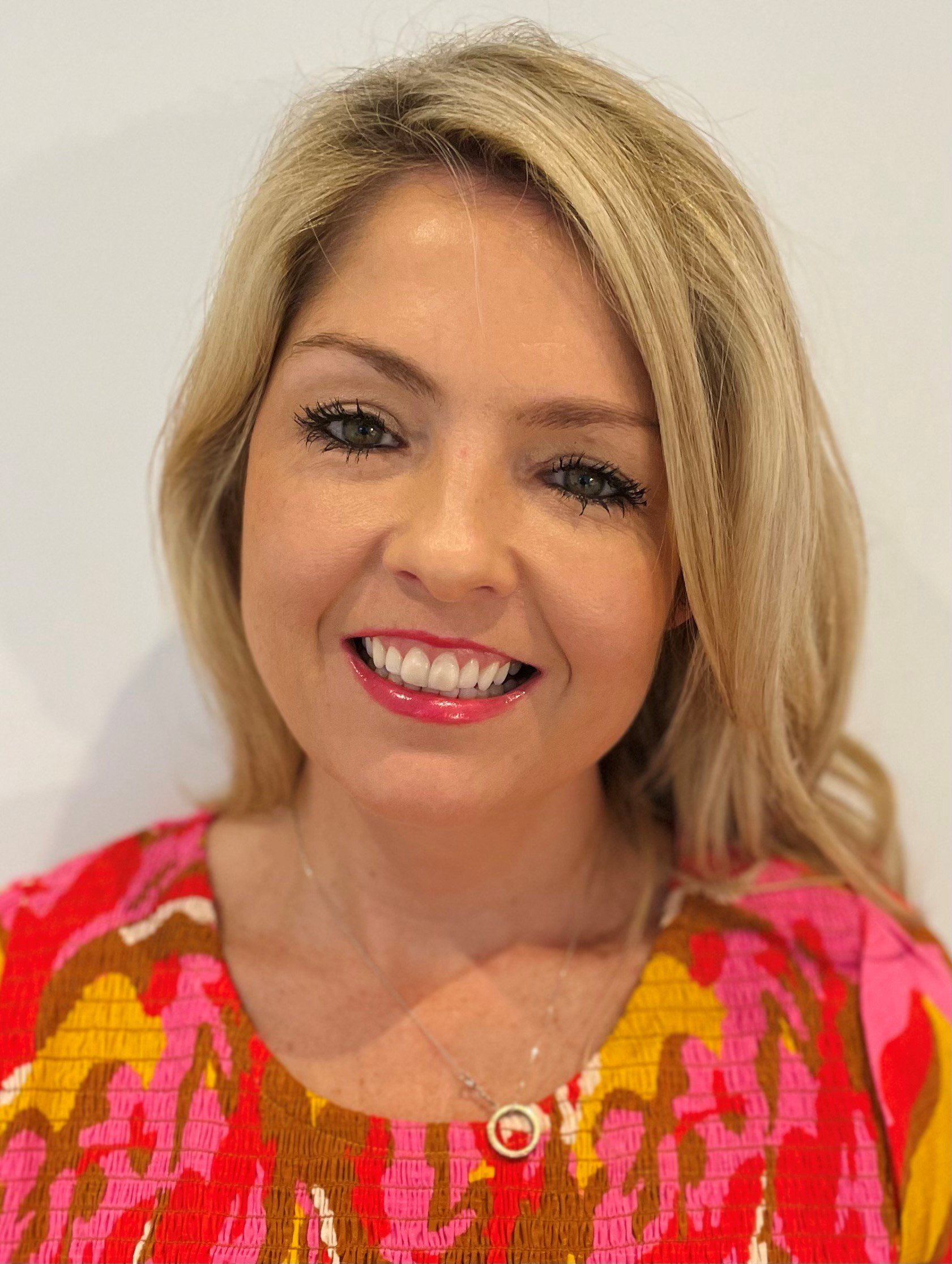
Katie Sill
Clinical Psychologist (MAPS)Clinical Psychologist (MAPS), Board Approved Supervisor (PsyBA)MPsych(Clinical), BPsychSc (Hons), GradDipPsych, MCounselling, MTeach
Professional Background/Experience:
Katie is a Clinical Psychologist who works across the lifespan, providing assessment and therapy for children, adolescents, and adults. She is also a Board Approved Supervisor with the Psychology Board of Australia (PsyBA), and a member of the Australian Psychological Society (APS) and the APS College of Clinical Psychologists.
She completed her undergraduate training at the University of Melbourne and her postgraduate clinical training at Swinburne University. Katie has over 15 years’ experience across education, public health, and clinical settings, including child and family services and private practice. She currently works as a School Psychologist at St Catherine’s School in Melbourne alongside her private practice. Katie is highly skilled in navigating complex presentations within family, school, and multidisciplinary systems.
Therapeutic Approach:
Katie’s work is grounded in a relational, formulation-driven framework with a strong emphasis on schema therapy. She specialises in identifying and working with entrenched patterns of thinking, feeling, and relating that underpin ongoing psychological distress.
Her approach moves beyond symptom management to address the deeper structures that shape a person’s internal world and relationships. She works collaboratively with clients to develop a clear and nuanced understanding of their difficulties, and to facilitate lasting change through experiential, cognitive, and relational interventions.
The therapeutic relationship is central to Katie’s work. She provides a thoughtful, attuned, and boundaried space in which clients can explore vulnerabilities, develop insight, and build greater emotional flexibility and resilience.
Areas of Interest:
Katie’s clinical work focuses on:
• Anxiety and Depressive Disorders
• Obsessive-Compulsive and Related Disorders
• Trauma and Stress-Related Difficulties
• Emotional Dysregulation and Emerging Personality Patterns
• Self-Concept, Identity, and Relational Difficulties
• Adolescent Mental Health, including School Refusal
• Adjustment to Parenting And Adult Life Transitions
• Parent Support and Family Dynamics